

Hazardous Tree Removal
Status: Ongoing
About the Project
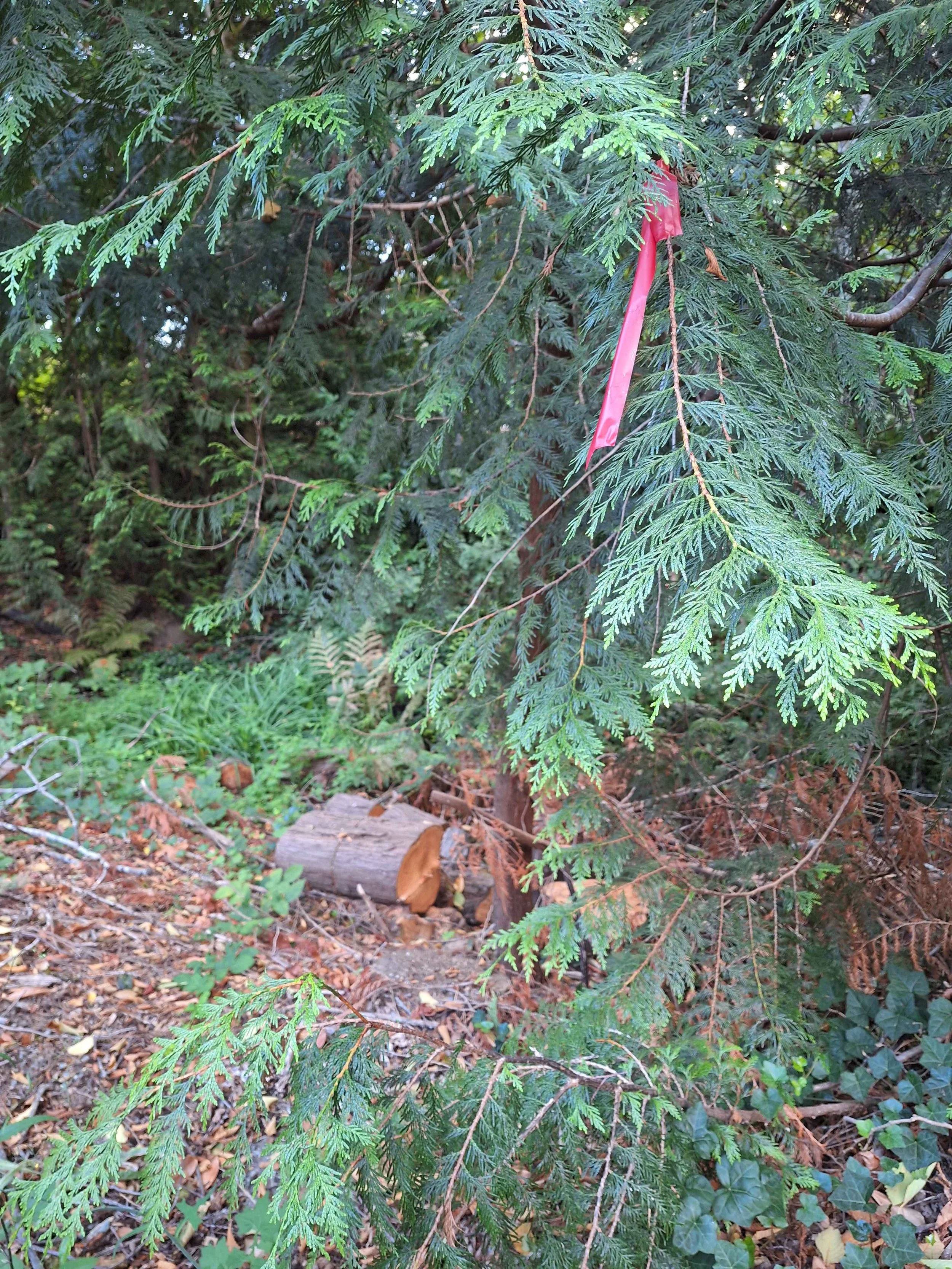
Parkwood East is fortunate to have mature trees throughout our parks, trails and common areas. Caring for these forested spaces also means keeping a close eye on aging, declining and potentially hazardous trees. Over the past four years, the Board has taken a more proactive approach to tree health and risk management. We've partnered with local forestry professionals and community experts to learn to properly steward these areas. Our partners include forestry stewards through Kitsap and Mason County Conservation Districts, an experienced arborist with the Department of Natural Resources, and professional tree services to help us better understand care for our trees. Our goal isn't simply to remove trees. It's to identify concerns early, prioritize the trees presenting the greatest risk, and make informed decisions that balance public safety with the long term health of our wooded areas.
What We're Working On
Our work focuses on surveying and monitoring mature trees throughout HOA maintained parks or common areas. Particular attention has been given to trees showing significant structural concerns, decline, or signs of fungal infection. When a tree is identified as a significant hazard, we work with experienced professionals to determine the appropriate next steps and arrange for removal when necessary.
Spring 2026 — Swamp Park
One of our largest tree risk projects to date took place in Swamp Park, where 17 hazardous trees were identified and professionally removed. Removing these trees addressed immediate concerns while allowing the surrounding forest to continue growing and changing naturally.
Where We Are Now
Our work is far from finished. Parkwood East contains extensive forested areas and tree conditions can change over time. We'll continue surveying and monitoring our common areas, consulting with forestry professionals when concerns arise, and prioritizing future mitigation work based on the level of risk identified.
Next Step: Continue monitoring our forested properties and identifying priority trees for future evaluation and mitigation.
Long Term Goal: Maintain healthy, resilient forested areas while responsibly addressing trees that present a significant risk to our parks, trails, and neighboring properties.
Last Updated: August 2026